
Networks, systems, and infrastructure power nearly every part of modern technology. Every app you open, every message you send, and every AI-powered tool you use depends on physical systems running behind the scenes. That infrastructure doesn’t maintain itself.
Network and Data Center Technicians are the people who keep servers online, networks reliable, and systems secure—so businesses, hospitals, logistics companies, and cloud platforms can operate without interruption.
If you enjoy hands-on technical work, solving problems under pressure, and understanding how systems connect, a career as a Network Technician or Data Center Technician (sometimes called a Network Operations Technician or Data Center Operations Technician) could be a strong fit.
This guide explains what these roles look like day to day, which skills employers seek most, how demand is changing in 2026, and how people prepare for entry-level roles in this growing field.
Key takeaways (quick answers)
- Network and Data Center roles focus on installing, maintaining, troubleshooting, and repairing the systems that keep organizations connected and secure
- Technicians work with servers, networks, and physical infrastructure that support cloud computing and AI workloads
- Demand continues to grow as data, automation, and infrastructure needs expand
- Entry-level roles are accessible without a four-year degree, especially with hands-on training and applied experience
- The work blends physical tasks with IT skills and offers clear advancement pathways
What does a Network or Data Center Technician do?
If you’re researching how to enter infrastructure or IT operations work, you’ll notice these roles offer a unique blend of hands-on physical work and white-collar IT skills. Technicians manage servers and networks that power cloud platforms and AI systems, while also working with power, cooling, and secure facilities.
What makes these roles distinct:
- Physical, hands-on tasks (installing hardware, managing cabling, replacing parts)
- Technical troubleshooting (networks, operating systems, monitoring tools)
- High responsibility (uptime, security, disaster preparedness)
- Clear procedures and close teamwork across IT disciplines
As AI, cybersecurity, and enterprise computing continue to evolve, the need for people who can manage the underlying infrastructure will only grow.
Why Network and Data Center Technicians stand out
If you’re researching how to become a data center technician, you’ll notice this role offers a unique blend of hands-on physical work and white-collar IT skills. Technicians manage servers and networks that power cloud services and AI systems, but they also work with power, cooling, and secure facilities.
What makes the role distinct:
- Physical, hands-on tasks (installing hardware, managing cabling, replacing parts)
- Technical troubleshooting (networks, operating systems, monitoring tools)
- High responsibility (uptime, security, disaster preparedness)
- Clear procedures and teamwork across IT disciplines
As AI, cybersecurity, and enterprise computing continue to evolve, the need for professionals who can manage the underlying infrastructure will only grow.

Are network and data center roles good careers in 2026?
Short answer: yes.
Longer answer: Demand for network and data center technicians has been rising steadily—even during periods when other tech roles slow down. Cloud computing, AI workloads, and data storage needs continue to expand, and all of that activity depends on physical infrastructure.
According to the U.S. Census Bureau, employment in U.S. data centers grew by more than 60% between 2016 and 2023, and industry groups continue to report thousands of open technician roles each year. Median annual pay commonly lands in the low-to-mid $70,000 range, with higher earnings possible in large facilities, specialized environments, or higher-cost regions.
There’s also a staffing reality worth noting. More than 40% of operators report difficulty hiring junior and mid-level operations staff, especially for infrastructure-focused roles. That gap creates opportunity for people who are willing to build the right skills.
Why this path works well for career changers
For people coming from retail, logistics, manufacturing, facilities, military service, or IT support, data center work often feels more approachable than other tech careers.
The skills overlap more than you might expect:
- Troubleshooting under pressure
- Following procedures
- Managing physical equipment
- Working as part of a team where reliability matters
Data center roles exist across industries—tech companies, healthcare systems, financial institutions, logistics networks—so the skills tend to travel well. For many people, this role becomes a practical bridge into the broader IT world.
📌 Related reading: AI Skills That Make A Difference
What skills do Data Center and Network Technicians need?
You don’t need to be a software engineer to succeed in this field. But you do need a solid technical foundation and a steady approach to problem-solving.
Technical skills employers expect
At the entry level, technicians are expected to understand how computer hardware works and how servers are assembled and maintained. Networking fundamentals matter too—things like cabling, switches, routers, and how data moves across a network.
Most technicians work in both Linux and Windows environments and use monitoring tools to track performance and system health. Basic knowledge of power distribution, cooling systems, and physical infrastructure is also part of the job, especially in larger facilities.
Security awareness plays a role as well. Technicians may not design security architecture, but they help enforce access controls, follow procedures, and keep systems updated.
Workplace skills that matter just as much
Technical knowledge alone isn’t enough. Data center technicians are expected to communicate clearly, document their work accurately, manage time during incidents, and stay focused when systems are under stress.
People who do well in this role tend to be detail-oriented, reliable, and comfortable learning through hands-on experience. Many successful technicians started in adjacent roles where those traits were already part of the job.
What the day-to-day work really looks like
Hardware installation and configuration
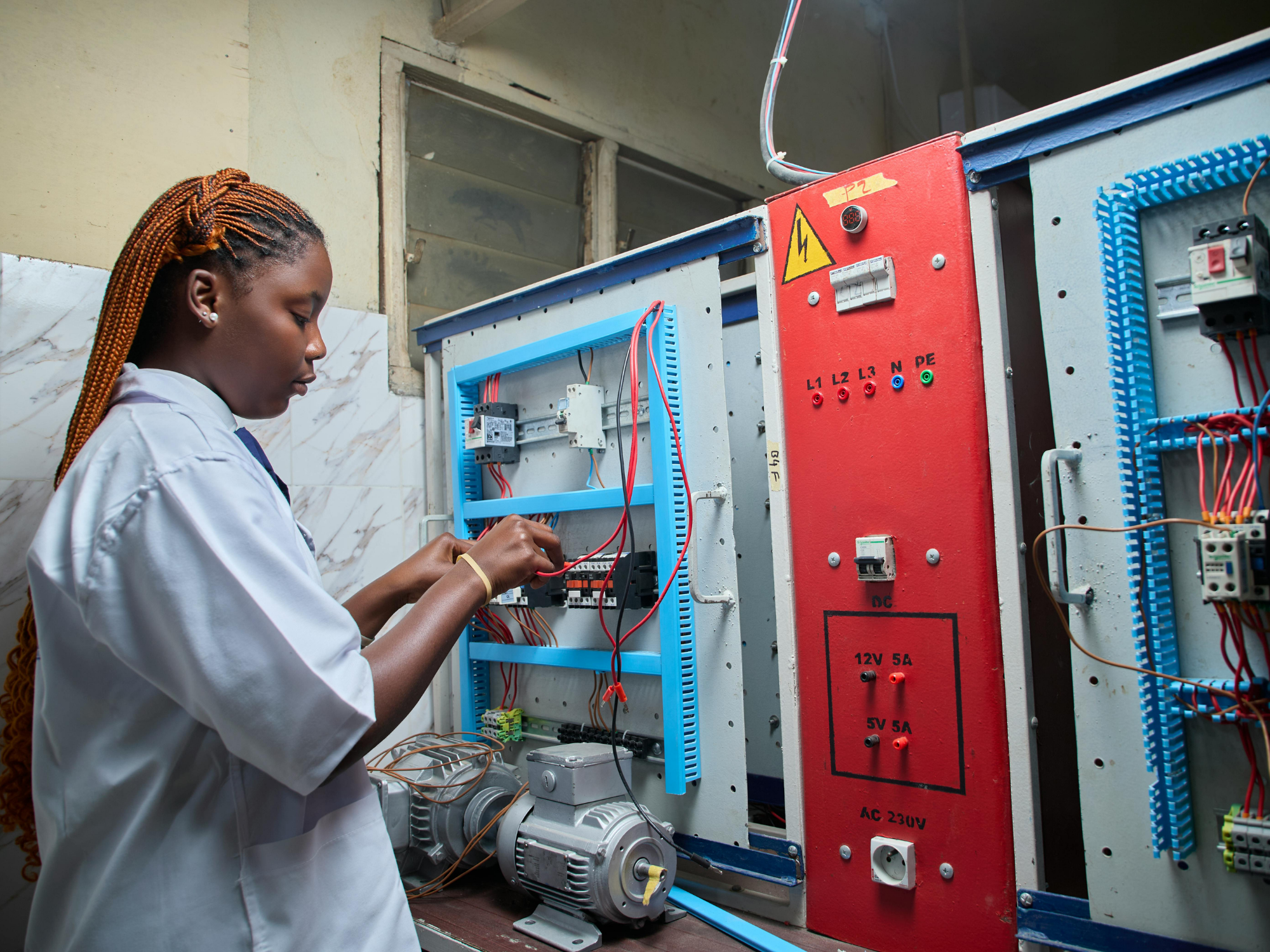
A significant part of the job involves installing and configuring equipment. That might mean racking servers, connecting cables, checking airflow, or configuring devices to match network requirements. Precision matters. A single misplaced cable can cause hours of troubleshooting later.
Monitoring and troubleshooting
Once systems are live, technicians keep an eye on performance. Alerts can signal overheating, power issues, network congestion, or failing components. When something goes wrong, the goal is to diagnose the issue quickly and fix it before it escalates.
System maintenance and upgrades
Maintenance work helps prevent problems before they happen. Technicians apply patches, update firmware, inspect aging equipment, and assist with upgrades that expand capacity. Changes are often staged carefully to avoid interrupting critical services.
Documentation and reporting
Every installation, change, and incident gets documented. These records support audits, troubleshooting, and long-term planning. Clear documentation is part of what keeps data centers running smoothly over time.
Infrastructure, security, and keeping systems online
Beyond servers and networks, technicians also support the broader environment. That includes monitoring temperature and humidity, overseeing power and cooling systems, and participating in disaster recovery planning.
Security is woven into daily work. Technicians help manage access controls, monitor systems for unusual activity, apply updates, and support secure backup and recovery processes.
Interested in becoming a Network or Data Center Technician?
If this career path sounds interesting, you’re not alone. Many people start exploring data center work long before they apply for a specific role or program. Sharing your interest helps shape what future training paths focus on—and keeps you informed as opportunities develop.
How to become a Network or Data Center Technician
There’s no single path into this career. But many people who succeed follow a similar progression—building interest, skills, and confidence over time.
1. Develop an interest in systems and infrastructure
Start by getting curious. Learn how networks work. Watch walkthroughs of data centers. Read about how cloud infrastructure is built. Interest is what keeps you going when the learning curve gets steep.
2. Build foundational technical skills
Focus on the basics: computer hardware, networking concepts, operating systems, and system monitoring. You don’t need to know everything. You need to understand how systems fit together and how to troubleshoot common issues.
3. Get hands-on experience
Hands-on practice makes a difference. This can come from structured training programs, labs, internships, or entry-level technical roles. Employers want to see that you’ve worked with real systems, not just studied them.
4. Connect your past experience to the role
You may already have relevant skills. Experience following procedures, troubleshooting issues, documenting work, managing equipment, or working under pressure all translate well. The key is learning how to describe that experience in a technical context.
5. Build a clear, honest resume
Strong resumes focus on what you’ve done, not just what you’ve studied. Highlight systems you’ve worked with, problems you’ve solved, and responsibilities you’ve handled. Clarity usually beats flash.
6. Seek support and feedback
Mentors, peers, instructors, and colleagues can help you refine your approach, prepare for interviews, and understand what employers look for. You don’t have to navigate the transition alone.
7. Launch a focused job search
Instead of applying everywhere, target roles that align with your current skills and growth goals. Entry-level titles like Data Center Technician, Network Technician, Server Technician, IT Support Technician, Infrastructure Support Technician, or NOC Technician are common starting points.
Interested in network or data center technician work?
We’re currently exploring what a future Data Center and Network Technician Career Track could look like for working adults interested in hands-on infrastructure and IT operations roles.
If this career path resonates with you, we’d love to hear what’s drawing you in. Exploring the Data Center Technician page and sharing your interest helps inform how a potential program is shaped—from skills and pacing to the kind of support learners actually need.
By joining the interest list, you’ll help guide how this path is built, stay informed as plans develop, and be among the first to hear if applications open in the future.
👉 Express your interest in the Data Center Technician Career Track